The Letters That Could Not Be Sent
Before dawn, the small boat at the back door of the Zhu household slipped its moorings.
A boatman rowed while old Mr. Zhu sat in the bow, beside a middle-aged man in a gray cloth gown whose hat brim was pulled low. The boat glided out of the creek and turned into the reeds, where the morning mist rose in layer upon layer, wrapping the two men inside.
The villagers knew only one thing: this was “Mr. Jin, from Shanghai.” That spring, a thunderous explosion had torn through Hongkou Park in Shanghai, killing the Japanese general on the spot. The young man who lit the fuse was arrested, imprisoned, and soon executed. The notices plastered across Shanghai made the terms plain: capture one Jin, reward of six hundred thousand silver dollars. Six hundred thousand—enough to buy half a street.
Yet from the boatman to the farmers, not a single soul spoke. The rower understood in his heart: however high the bounty, it was the price of selling your soul; however heavy the oar, it was the weight of a conscience. Old Mr. Zhu’s reasoning was simpler—four words: you cannot watch a man die.
Mr. Jin was settled in a small house by Nanbei Lake. The Zhu family told outsiders only that a distant relative had come to recuperate from illness. Fishermen brought two live fish every morning; a vegetable grower came every few days with a basket of greens. No one said much—they set things down and left. With time on his hands, Mr. Jin wrote spring couplets and family letters for the villagers, his characters neat and upright, signed always with the same three words: Guest of the Lake.
One day in early summer, a squad of Japanese soldiers came searching along the lake. The Zhu family’s daughter-in-law felt her heart pounding, but her face stayed calm. She stepped aside from the stove: “Upstairs is my father-in-law, resting with tuberculosis. He cannot see strangers.” The squad leader paused at the foot of the stairs—and in the end, did not come up. A woman drying grain at the village entrance pointed across the water, steering the troops toward another village. That night, Mr. Jin sat a long time by the lamp.
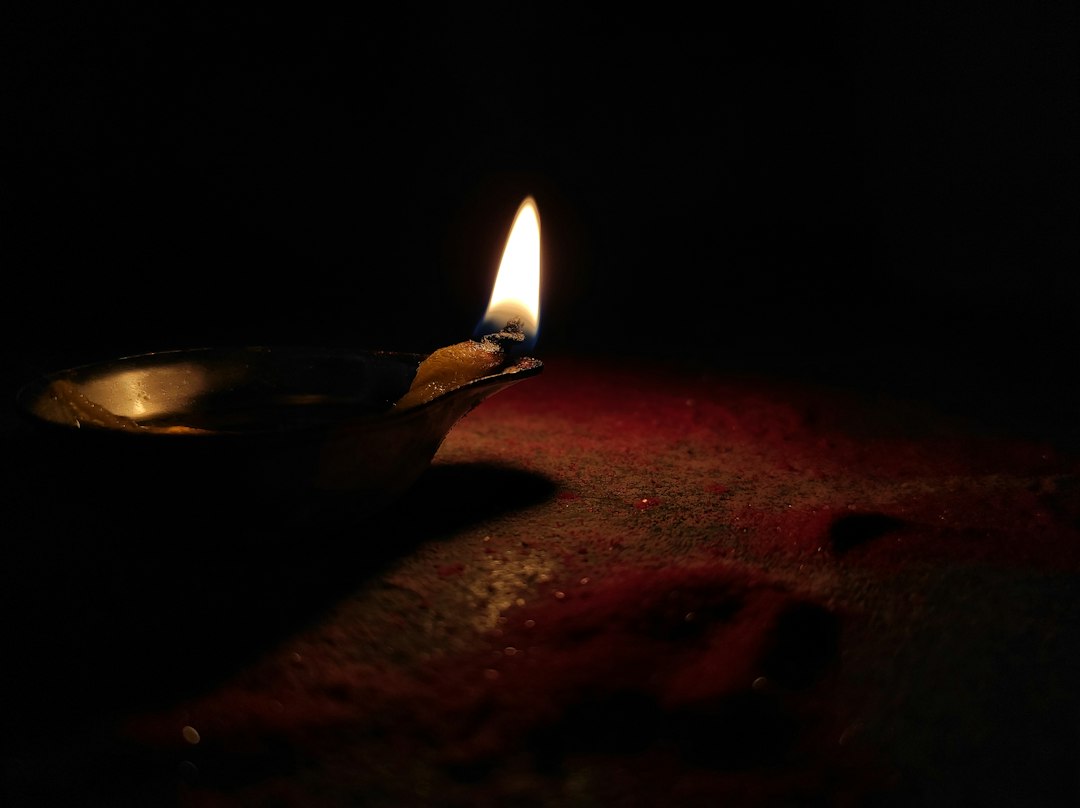
By day he helped dry the grain and mend the nets, learning a few phrases of the local dialect. At night he listened to the water lapping the shore, wave after wave, like the Han River of his homeland. From then on, every night he lit an oil lamp and spread out paper. The letters were addressed to his country. But his country had already fallen, and the letters had nowhere to go—so he wrote them, one after another, and stored them in a tin biscuit box.
“My country: Seeing these words is like seeing my face. Today I have incurred another debt I can never repay. The man who lent me a boat can barely read; the people who gave me a room do not know what I have done. They know only one thing: a man in trouble cannot be watched as he is dragged away. I used to think restoration depended on guns. Now I understand—it also depends on the human heart. Ordinary people willing to keep their mouths shut for a stranger: there are more of them than there are guns. The day I return, I will teach your children to remember these rooftops.”
Six years passed, and the flames of war pushed inland. Mr. Jin and his fellow exiles made their way west from Shanghai—Changsha, Guangzhou, Liuzhou—scattered and uprooted the whole way.
The winter they were in Changsha, fire broke out in the city in the middle of the night. Men cried out, horses screamed, and he pressed into the fleeing crowd with a crate of documents on his back. A porter, seeing how old he was, gave up half of the plank he used for carrying goods and helped him shoulder the crate through half the city. When they parted, the porter just waved his hand: “Anyone out on the road runs into hard times.”
Later they reached Chongqing. On the sloped paths along the river, the old woman selling tangyuan recognized these tenants with the strange accents and always ladled in an extra half-spoon of fermented rice. On nights of air raids, when they hid in the shelter, neighbors always saved them a dry patch of ground. In the autumn of 1940, the exiled soldiers finally had an army of their own. On the day of its founding, Chinese officers came to offer congratulations, lending them training grounds and reserving places for their men in the military academy. Mr. Jin stood on the stage, his temples already fully gray.
“My country: Tonight I am lodging in an ancestral hall by the river. My companions are all asleep, but I cannot sleep. It has been nearly twenty years. We have walked from the Huangpu River to the Jialing River. The whole way, the Chinese never asked where we came from—only whether we had eaten. They were fleeing the war themselves, yet there was always an extra ladle of water in their pot. The country fell, but the people did not scatter. Why? Because others treated us as human beings. If you live to see the light of day again, remember: for a drop of water received, repay with a gushing spring; and when your neighbor’s house catches fire, carry a bucket for him too.”
On August 15, 1945, the firecrackers of Chongqing sounded from early morning until deep in the night. Neighbors seized Mr. Jin by the sleeve, their voices hoarse from shouting: “Victory! You’ve won too!”
Only he knew how long they had waited for those words. The young man who lit the fuse in Hongkou Park had not lived to see this day.
That night, he took out the tin box and wrote his final letter.
“My country: Seeing these words is like seeing my face. This time, the letter can be sent—no. It need not be sent, for I will carry you home with my own hands. I will burn none of the letters in this box. A person must not forget how he survived. If your children ever ask, tell them this: in the hardest years, our family lived half a lifetime in a neighbor’s house, and they never treated us as outsiders. This debt of kindness must be remembered, generation after generation. Hold no grudges—hold only to the kindness.”
Late that autumn, he boarded the plane home, the tin box on his lap, its lid polished bright from years of handling. Beyond the porthole, seas of cloud churned; the Yangtze bent in a great curve beneath him and flowed east.
Many years later, he wrote in his memoirs: China is my second homeland.
And as he wrote those words, he must have thought of those people—the boatman, the grain dryers, the one who gave up his plank, the one with the extra half-spoon of fermented rice. Most of them could not read; they never saw that sentence, and never thought they had done anything great. But that half lifetime of kindness had long since followed the river’s current, flowing on into all the long years to come.
(This piece is based on real historical events; all names have been changed.)
Based on a true story