The Name of the Angel
She was writing her name again.
Fereshteh. The pen hovered above the paper, above the three characters she had practiced a thousand times. A registration form, the first field, full name. The fluorescent light glared white, and she heard a voice inside her say: Write it. It has followed you for eighteen years, and it will follow you far longer.
The pen came down. Wind rose outside the window, and the plane leaves rattled like the hem of her grandmother’s skirt, so many years ago.
When her grandmother said “Fereshteh,” the ending always lifted upward, like a small thing tossed gently into the air and caught again, safe and sure. Grandmother said: in our language, this name means angel.
She was born on the coldest winter of the flight from war, dropped onto an old felt mat in a rented room, her cry as thin as a kitten’s. Grandmother gathered her into her arms: a child born into bitter days needs a bright name to press down upon her, to hold her all her life. And so there was “Fereshteh.” The name was the first luggage her grandmother ever gave her, the lightest piece—light enough to cross any border without declaring, heavy enough to carry for a lifetime.
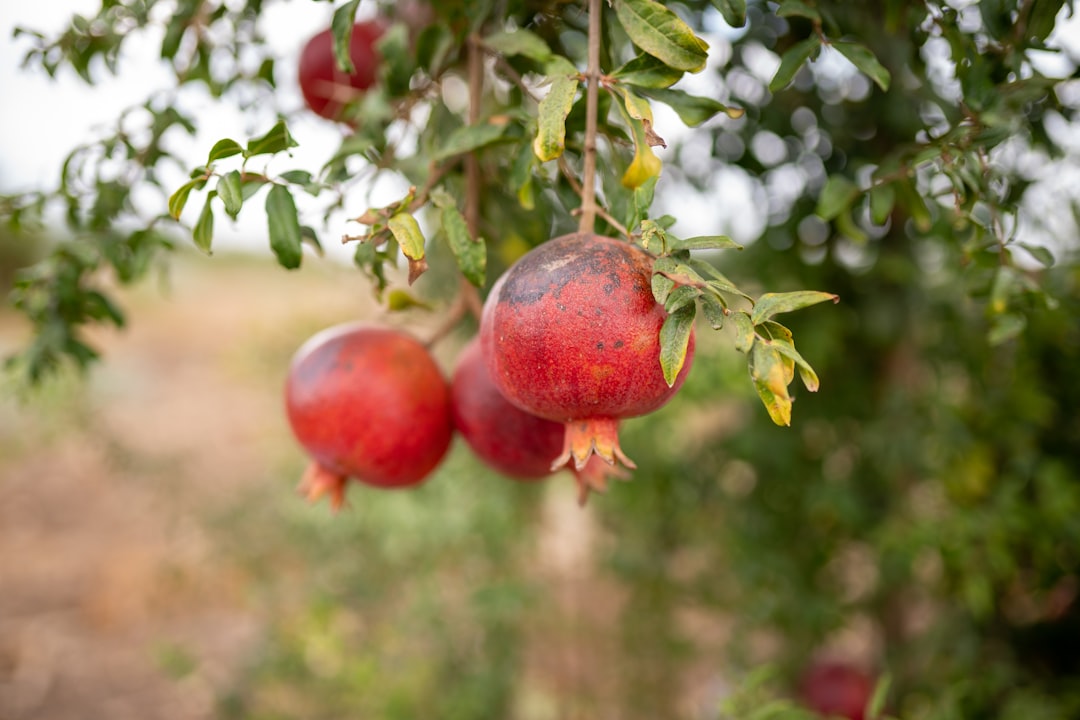
She was born in Iran and grew up in Iran. But Iranians called her Afghan; she had never lived a single day in Kabul, yet Afghanistan lived inside her name. Her mother’s homeland existed only in telling: pomegranate trees lining the courtyard wall, splitting their grins in autumn; the purple of saffron, blooming one small season a year; snow falling without a sound upon the rammed-earth walls. She asked her mother: what about our courtyard, then? Her mother smiled: the courtyard lives in the story. Told once, it becomes new again.
To tell of that home, you must begin on a night even earlier. The fighting chased at their backs, and the family crossed the mountains through the night. Grandmother carried nothing but a small bag of earth, earth from the base of the wall of the old courtyard. Only years later did Fereshteh learn that on that night, the mountain pass howling with wind, Grandmother held the swaddled infant against her chest, and what she felt was not fear but one very simple thought: this child was born on the road, so let the road be kind to her.
At school, when the teacher called “Fereshteh” during roll call, someone would always add: Afghan. At first she didn’t understand why those words carried thorns; later she did. Children imitated her accent—one sentence learned, a ripple of laughter. Once, during recess, someone wrote her name in the corner of the blackboard and drew an ugly little figure beneath it. She didn’t cry. She took the eraser and wiped it away stroke by stroke, then wrote her name back in careful, upright letters, and only then left. That day she came home and threw her schoolbag onto the bed: I want to change my name. To a local name, one nobody could see through.
Her father was a carpenter; his hands smelled of pine resin. He didn’t get angry. He only led her to the pile of wood shavings and picked one up, curled, like a flower made of wood. He said: a name is a seed. A seed doesn’t ask which soil it falls into—it carries the whole orchard inside itself.
At night her mother combed her hair, stroke by stroke. Her mother said: an angel doesn’t need to be liked by everyone. An angel only needs to remember who she is.
There was warmth, too. The old Iranian woman next door slipped dyed eggs and sugared almonds into her pocket at every holiday; she wrote an essay about “the courtyard of Mother’s stories,” and the Iranian teacher stood at the podium and read it aloud, ending with: writing like this is good, wherever it goes. That day, for the first time, she felt that the word “Afghan” could come out of someone else’s mouth without thorns.
What came after turned like pages of a book, too fast for her fingers to catch. One old wooden trunk, a few blankets, a shelf of goodbyes. Grandmother fell asleep and never saw the day of return. At seventeen the family took to the road again, westward, and westward still, landing in a country that spoke English.
The tongues of this country could not curl around her name. People behind counters rendered it as “Fer—what?”, and the pen hesitating over the form gave up and scribbled two crooked letters instead. She stared at those two letters as at a photograph torn in half. On her first day of school, she introduced herself with her voice pressed low, said it and sat down, as if returning something borrowed. For a while she said: call me whatever. And when the word “whatever” left her mouth, something inside her cracked, softly. She thought of the lifting ending of Grandmother’s voice, of the wood shavings, of the bag of earth from the courtyard wall—if they called her whatever they liked, then who was it Grandmother had been calling?
The turning came in a literature class. The teacher asked her to read a poem she had written, then asked: what does your name mean?
She stood up. Her throat tightened for an instant, like when she was small, standing before the roll call. Then she heard herself say: Fereshteh. In our language, it means angel. And when she said the word “angel,” she used her grandmother’s intonation, the ending rising gently.
The classroom went still for a breath; someone gave a soft “oh.” After class, a girl chased her down to ask how to spell it, copying it letter by letter into her notebook, saying: it’s beautiful.
That evening her mother was brewing tea in the kitchen, the scent of cardamom rising. She poured out the whole story of the classroom: someone asked what my name means, and I said, angel. Her mother, washing dishes with her back turned, moved her shoulders, just slightly.
Only many years later did Fereshteh learn what her mother had thought that night: I was afraid. I was afraid you would hate this name, afraid you would hide it away like an old garment. And now you have said it out loud, plainly, into the ears of strangers—child, you have told the story of our courtyard once again, and made it new again.
On Monday she sat once more before a form. The first field, full name. This time, the pen did not hover. She wrote Fereshteh stroke by stroke, then added, in tiny letters at the foot of the page: it means angel. When she finished, she looked at it a long time. The three characters stood upright on the paper, as if they had returned to the place where they belonged.
Now, every weekend, she volunteers at the community center. The newly arrived children are shy, reading their own names in voices thin as a mosquito’s whine. She crouches down and teaches them, syllable by syllable. There was a little boy called Parviz who stumbled halfway through, ears burning red; she demonstrated three times, and on the fourth he got it, his eyes lighting up like a lamp. She said: say your name loudly. It is the homeland you carry with you.
The bag of earth Grandmother left was later buried beneath a pomegranate tree, and now the tree blooms in the New World too. Fereshteh came gradually to understand: a homeland is not necessarily a place you can return to. It is more like a name, spoken aloud again and again. A name is a small boat, carrying three generations over mountains and across waters, through every border that refused to take them in. And sitting in that boat, an angel.
Wherever the angel goes, that is the door of home.
(This story is adapted from true events; all names are pseudonyms.)
Based on a true story