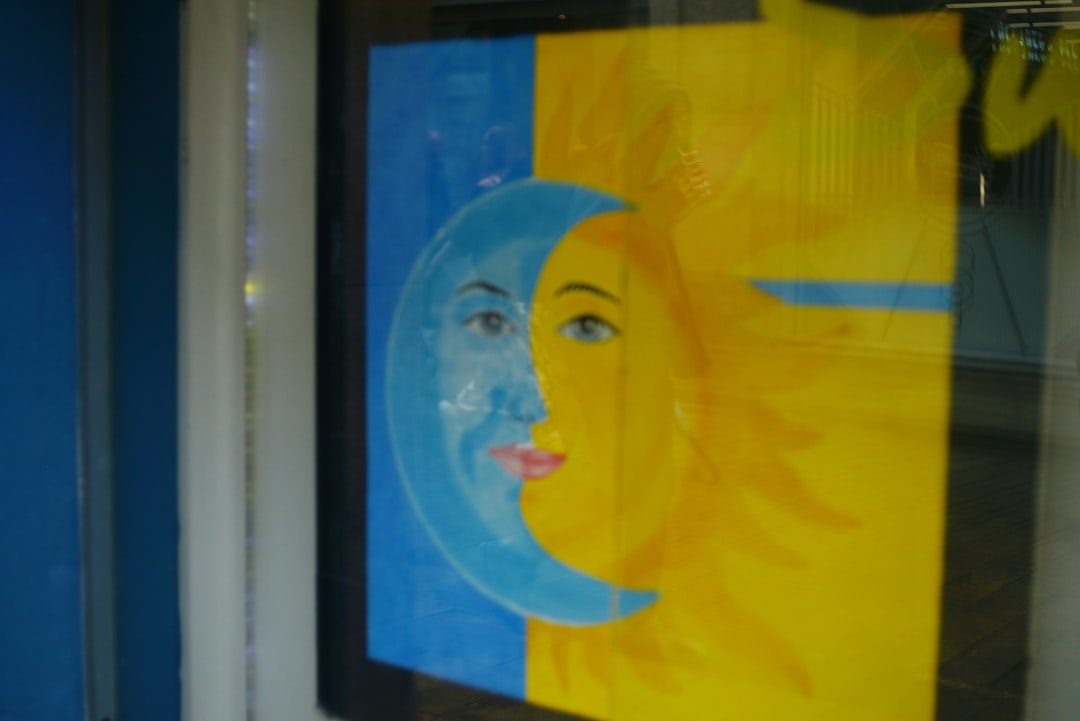
A Box of Sunshine
You’ve carried plenty of boxes in your life. Boxes of shoes, boxes of screws, boxes of Christmas turkeys. But you’d never seen a box like this one—on the kraft cardboard, a smiling sun. Yellow, round, like something a child had colored in, stroke by stroke, with a crayon.
It was winter, back in the mask years. The virus ran wild across the world, and the news tallied numbers every day until your heart went cold; the streets were empty enough that you could hear the traffic lights ticking to themselves. But warehouses don’t count numbers—warehouses only count boxes. The warehouse at the port city was so cold your breath turned to frost, your fingers cracked open; tape wrapped on, peeled off, wrapped on again. The vaccines were delicate things, and the ice packs had to be packed in tight, one by one—pack them wrong, and the people waiting at the other end would have waited for nothing.
Marta, your shift leader, warmed her hands by the tin stove, then went back to sticking on suns. She’d paid for the stickers herself—five thousand to a print run.
“The virus doesn’t look where it’s going,” she said. “So we’ll make sure the people do.”
Where the boxes went, you never counted. The shipping lists were full of place names that tied your tongue—across the river, up in the mountain hollows, names you couldn’t pronounce right after three tries. Marta would fold the list and tuck it into her apron pocket: “The harder the name is to say, the harder that place is waiting for it.”
Later, the boxes took to the sky.
This time, you are Amina, flying an old faithful cargo plane through the night, across a whole sea of black. The instrument panel flickers, and the cold creeps up from under your feet. You turn the temperature down another degree—the vaccines fear heat, and you’d rather it fear the cold than not. For the two hours over the water, you chew gum to fight off sleep, remembering what Mama said on the phone: You go fly, sweetheart. Mama can wait. You answered yes, and your nose stung. The place you landed had no runway lights—the whole village had lined up their tractors in two rows, headlight beams drawing you a path. The people unloading didn’t say much. They just smiled, rows and rows of white teeth flashing under the lights.
Later still, the boxes took to the road.
This time, you are Suley, your palms slick on the steering wheel. The mountain road had been soaked to mush by the rain, the wipers waved like hands bidding you on, the wheels kept slipping, and the truckload of boxes behind you rocked and rocked, like a carriage full of sleeping children. You thought of your own child—you’d promised to bring him candy from the city. At the checkpoint, a young soldier waved the truck down, peeked through a gap in the tarp, and suddenly waved you through—then called over two of his fellows to help push your truck out of the mud. His mother’s village was just thirty li up ahead.
“Drive slow, brother,” the soldier said, patting the door. “Don’t want to jostle them.”
The boxes changed hands again.
This time, you are the youngest one at the clinic. Grandma Nana taught you: medicine is a delicate thing, more afraid of heat than a baby is. When the ice packs melt, replace them; keep a damp cloth over them; check eight times a day. At first the villagers kept their distance, and rumor traveled faster than the virus—someone said that once you got the shot, you’d never lift your arm again. What to do? You rolled up your sleeve and, in front of the whole courtyard, gave yourself the first injection, then held your arm up high—a full minute. The whole courtyard went quiet. And then it let go.
On vaccination day, the line stretched to the old locust tree, chickens weaving between people’s legs. The first proper injection, you gave to the village’s oldest great-grandmother. The old woman squinted as she watched you finish, then said slowly: “Child, this shot is worth more than my grandson’s wedding candy.” The whole courtyard burst out laughing. Laughter, it turns out, spreads faster than anything.
Later, the boxes were empty.
This time, you are seven years old, crouching at the clinic door. An empty box is enormous—you could climb inside and play hide-and-seek, and the sun sticker peels off in one whole piece, just right. You stick it square on your own windowpane. It goes on crooked, but that’s all right—the sun is round even when it’s crooked. Every day you stand on tiptoe and wipe it with your sleeve until the glass goes cloudy. You ask Mama: where was this sun sent from?
Mama thinks for a long time. Then she says: very, very far away. Too far to ever walk.
You keep those words. And you add one of your own: far is far, but it got here anyway.
Some days later, you—yes, this time it’s you again, Marta—receive a crumpled envelope in the mail room, the stamp stuck on crooked. Inside is a crayon drawing: a yellow sun, round, colored right past the lines. On the back, a line of child’s writing you can’t fully read, but you understand it all the same. You stick it above the shipping ledger. Crooked doesn’t matter.
From that day on, another ten thousand sun stickers were printed.
Many years pass. Masks go on, come off, and slowly people forget them altogether. The warehouse is still the same warehouse, and winter is still that cold.
This time, you are the new young man in another warehouse, fingers clumsy, tape wrapping on, peeling off. The old master slaps a smiling sun into your palm: “Stick it on. House rules.” You ask: where do all these boxes go? The old master hands you the shipping list.
The list is full of place names you can’t pronounce right.
The old master laughs, and borrows the old familiar line: “The harder the name is to say, the harder that place is waiting for it.”
Outside the window, dawn is barely breaking, and the first truckload of boxes is about to set out. It will change hands again—from your hands to someone’s hands you’ll never know, and then to someone else’s hands you’ll never know.
As for whose home it finally reaches—who can say.
Only this: in this world, there will always be a pair of hands ready to receive it. And always a pair of hands that, once it has received it, cannot bear to let go.
(This story is adapted from real events. All names are pseudonyms.)
Based on a true story